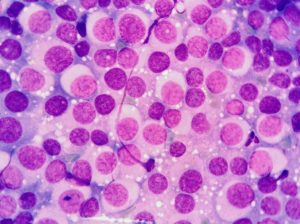
by Demian Dressler, DVM From the Dog Cancer Blog There is a lot of uncertainty in canine cancer, and mast cell tumors are the tumor type that proves it. Mast cell tumors are tricksters, with seemingly benign tumors sometimes turning out to be very aggressive … and often enough to be confusing, vice versa. When we’re talking mast cell tumors, we are definitely in...
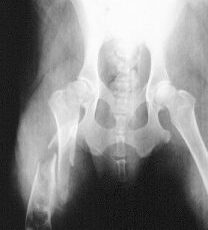
Bone tumors in dogs
By DR. KARSTEN FOSTVEDT Idaho Mountain Express Bone tumors are malignancies that either begin in bone or spread to bone from other parts of the body. They rarely occur in cats. Primary bone tumors begin in the bones, and are the most common type. These are called osteosarcomas and chondrosarcomas. Secondary bone tumors, those that spread to bones from other tissues, are much more...
How American dogs disappeared and left a contagious cancer behind
Author: Máire Ní Leathlobhair,PhD Candidate in Biological Sciences, University of Cambridge From The Conversation Cancer can be frighteningly complex and unpredictable. Cancer can evolve, change, evade and resist, but one thing we can usually rely on is that cancer can’t infect. For a handful of unlucky species, however, this isn’t the case. Thousands of dogs around the world – from Aboriginal camp dogs in...
Research on dogs with brain cancers may help their human friends
By Luanne Rife luanne.rife@roanoke.com The Roanoke Times Emily’s first seizure scared her companion, Laura Kamienski, but their veterinarian near their Pittsburgh home suggested that the Portuguese water dog might have gotten into something she shouldn’t. But a second seizure soon followed, arriving the day before Emily was set to have knee surgery. The vet canceled the surgery and suggested an MRI of the dog’s...
Stem Cell Therapy in Veterinary Medicine
From American Veterinarian Although this groundbreaking treatment is still in its infancy, anecdotal reports and clinical trials are proving its merits. By Meredith Rogers, MS, CMPP Imagine a dog regrowing a limb that had to be amputated after being hit by a car. Salamanders do it—why not dogs? Urodele amphibians (eg, salamanders and newts) can regenerate complex tissues that are identical to the original...
Diagnosing and Treating Cancer
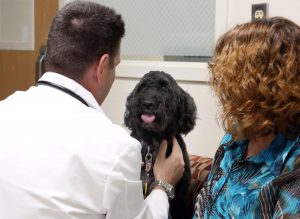
From American Veterinarian The basics of cancer care: identifying tumor type, staging, and treatment. By Laurie Anne Walden, DVM, ELS Like people, pet dogs and cats are living longer due to medical advances and an increased focus on preventive care and nutrition. Living longer exposes our pets to diseases of aging, including cancer. Clients want to know 3 things when a pet is diagnosed with cancer: What type of...
Have You Entered? Have You Voted?
The 2019 “Cancer Can’t Keep A Good Dog Down” Puppy Up Foundation calendar contest is already in full swing! This is the 11th year that the Puppy Up Foundation is producing our beautiful “Cancer Can’t Keep a Good Dog Down” calendar and we’d like you to participate! Enter the contest to HONOR your canine cancer hero, PROMOTE awareness of canine cancer and FUNDRAISE for...
Novel Cancer Vaccine Uses Animal’s Own Tumor Cells
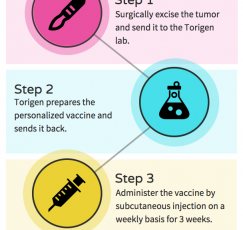
From American Veterinarian At Torigen Pharmaceuticals, Inc., veterinarians and immunologists have developed a cancer vaccine that utilizes a patient’s own tumor cells. By Amanda Carrozza In Farmington, Connecticut, a team of veterinarians and immunologists are working diligently to distribute and promote a novel treatment: harnessing a patient’s own immune system to fight cancer through a personalized vaccine. “Each year, about 4 million dogs and...
UPDATE: Largest Interventional Canine Clinical Trial Begins Next Stage
From American Veterinarian A canine clinical trial researching the effectiveness of a cancer vaccine in preventing any type of cancer in dogs is ready for its next stage of work. By Amanda Carrozza UPDATE (June 11) — In January, Arizona State University received a multi-year, $6.4 million grant to support a clinical trial assessing the effectiveness of a specific vaccine in preventing any type of...