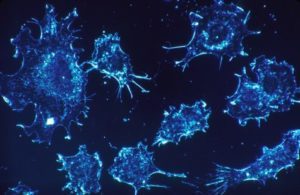
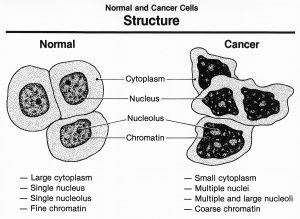
By studying the ability of tumor cells to imitate the properties of stem cells, Sven Påhlman’s team have observed how tumor cells can high-jack specific mechanisms that evade the effects of high oxygen on stem cell depletion. As a consequence, the tumor cells are able to maintain stem cell properties, despite being surrounded by the high oxygen concentrations that are present in the body.
UMN research aims to treat cancer in dogs and humans
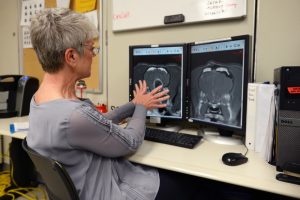
Minnesota Daily Researchers on the study have proven that their treatment methods can increase the lifespan of canines by 16-18 months. By Katrina Pross Researchers hope a new University of Minnesota study will create better brain cancer treatment for both dogs and humans. The five-year project, funded by a $2.7 million National Institutes of Health grant, is currently accepting applications for dogs with glioblastoma...
The Importance of Vitamin D in Canine Health
In humans, increased cancer risk is linked to low vitamin D intake and blood 25(OH)D concentrations. Also, 1,25(OH)2D demonstrates a variety of anticancer activities in both humans and dogs, such as inducing apoptosis and reducing cancer cell growth. Canine osteosarcoma and mast cell tumor tissues possess vitamin D receptors, and decreased vitamin D status and/ or serum 25(OH)D is associated with additional canine cancers, including neoplastic spirocercosis and lymphoma.
Engineer-Led Study May Have Found Way To Stop Cancer Cells From Spreading
From Study Finds 22 Jan – by Terra Marquette MINNEAPOLIS — Engineers have taken a mechanical approach to a biological problem. A recent study that shows how cancer spreads throughout the body may give hope for treatments that could one day stop the deadly cells in their tracks. The engineer-led research team at the University of Minnesota found that cancer cells move in very...
Today is Change a Pet’s Life Day!
Megan Blake has long been a friend of The Puppy Up Foundation, and in April of 2010 she and her dog Super Smiley even joined Luke and The Boys for a time on their walk, traveling the road together. In honor of Change a Pet’s Life Day, we’d like to share something she and Super Smiley wrote some time ago about changing a pet’s...
Cells lacking nuclei struggle to move in 3-D environments
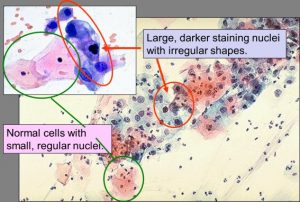
“Many cancer cells display abnormal nuclei that differ in their size, shape and mechanical properties,” said the study’s first author David M. Graham, PhD, a postdoctoral research associate in the UNC School of Medicine Department of Cell Biology and Physiology. “Consequently, although our research is at a fundamental level of cell biology, we believe it should contribute to our overall understanding of these disease situations.”Cells lacking nuclei struggle to move in 3-D environments
Best Dog Food For Your Dog: What You Need To Know
By Mike Clark Dog Time When looking for the best dog food for your dog, there are many factors to consider. Dog diets are formulated for size, age, breed, energy level, medical needs, and more. It’s hard to know which dog food is the best. Should you buy your dog food from a store or make it yourself? Should it be wet or dry?...
It’s Squirrel Appreciation Day! How will you and your dog celebrate?
If you have the latest (2018) Puppy Up Foundation Calendar you already know that today, Sunday the 21st, is Squirrel Appreciation Day. It falls on January 21st every year, and it’s something all dogs look forward to. Well, to be honest, every day is squirrel appreciation day to dogs. But what does your dog really know about squirrels, other than they’re fun to chase,...
Cancer drug discovered by University professor starts new clinical trial
From The Daily Illini The Independent Student Newspaper at the University of Illinois By Olivia Welshans, Staff Writer January 16, 2018 A drug that targets cancer cells’ ability to self destruct was recently cleared to be used in clinical trials for brain cancer patients. Patients with glioblastoma multiforme, an aggressive cancer of the brain, will be using this drug, PAC-1, with temozolomide, a traditional...